

















TR News Desk
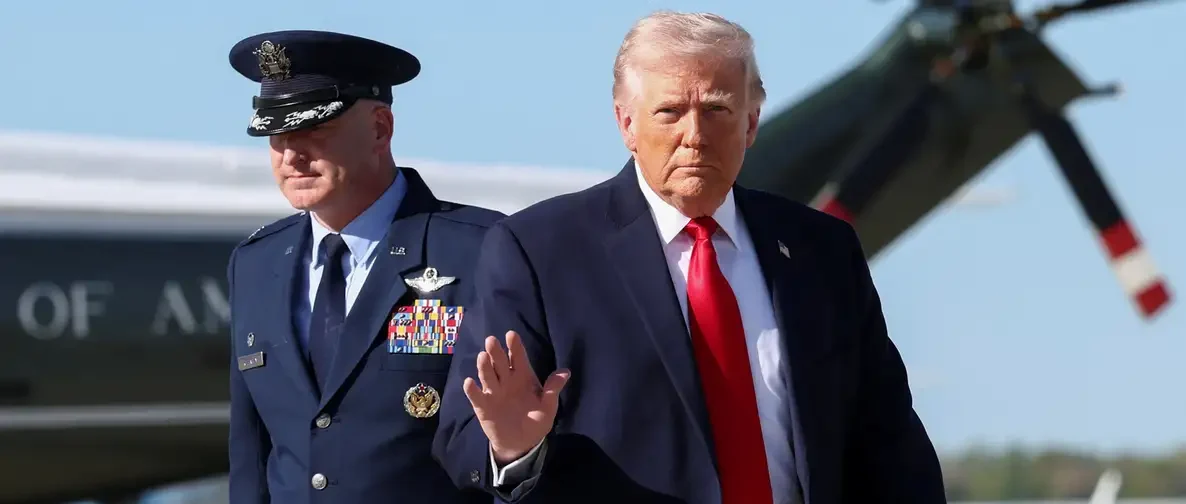
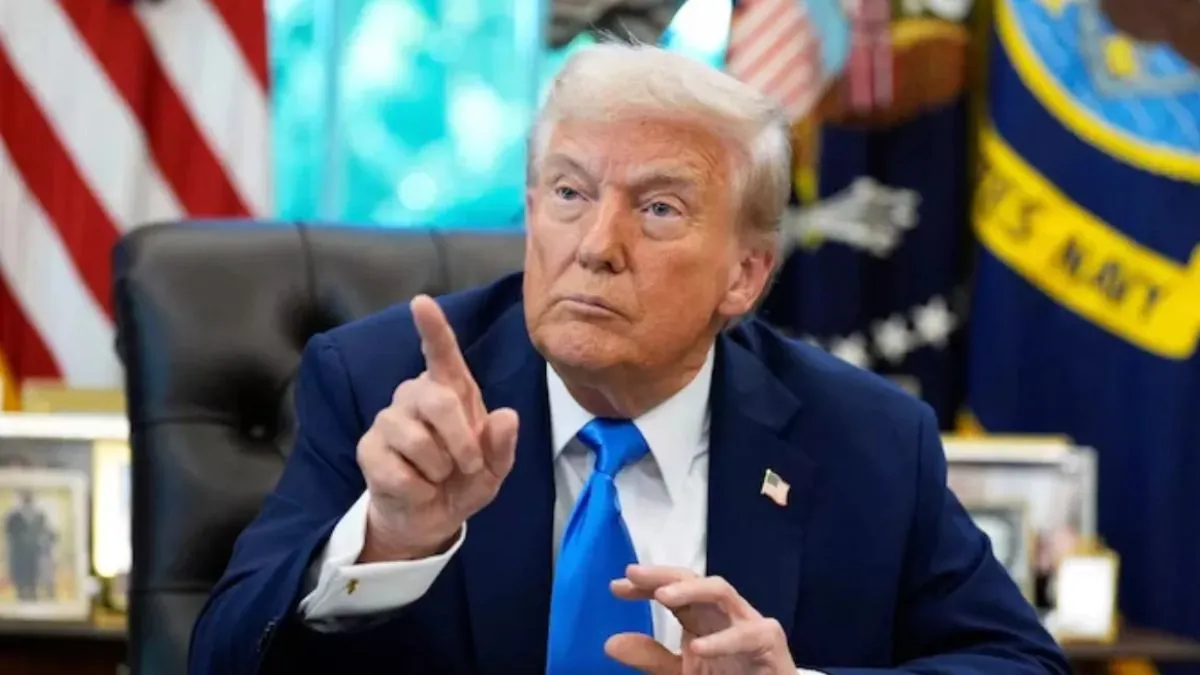
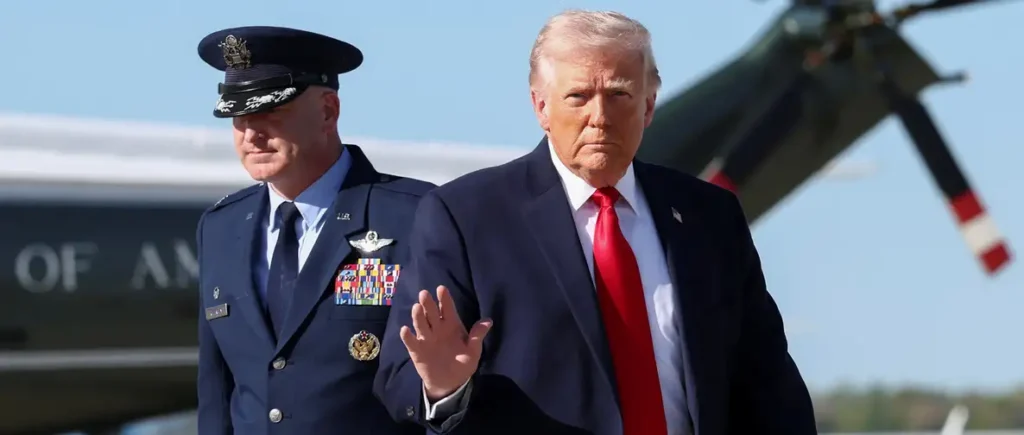
In a rapidly intensifying geopolitical standoff, former U.S. President Donald Trump has adopted a dual approach of issuing stark threats while simultaneously pushing for a diplomatic agreement with Iran.Trump has warned of severe consequences if Iran fails to accept what he describes as a “fair and reasonable deal.” His statements have included threats targeting critical Iranian infrastructure such as power plants, bridges, and transport systems—signaling the possibility of large-scale escalation.
The rhetoric has raised global concern, with warnings that continued confrontation could destabilize not just Iran, but the broader region and its civilian systems.At the same time, the United States has moved forward with a strategic naval blockade, targeting vessels linked to Iranian ports in and around the Strait of Hormuz—one of the world’s most vital oil transit routes. This blockade, imposed after the collapse of peace talks, is aimed at pressuring Tehran to concede on key demands, including its nuclear program. However, Iran has condemned the move as an act of “maritime piracy” and responded by closing the Strait, disrupting global shipping and energy supplies.
Reports have also emerged of Iranian forces firing on vessels in the region, further escalating tensions and increasing fears of a wider conflict. Despite the rising hostilities, diplomatic efforts have not been entirely abandoned. U.S. officials are expected to resume talks, even as both sides continue to exchange warnings and military signals. The situation remains highly volatile, with the world watching closely as Washington balances between coercive pressure and the possibility of a negotiated settlement.